
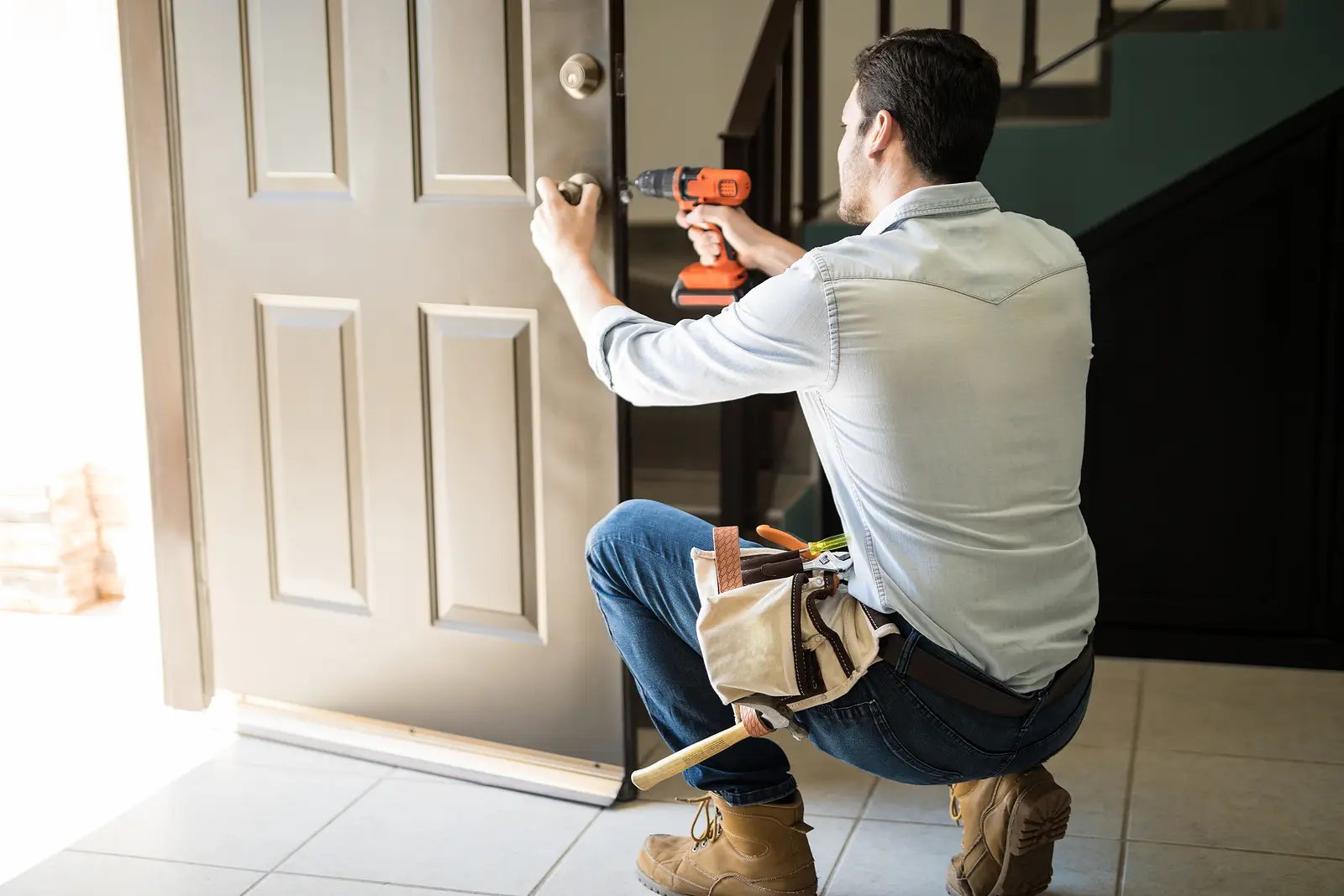
Fielding the same maintenance call more than once at your Akron property usually means something is nearing the end of its lifespan, and maintenance coordination tools can help you track exactly which system keeps failing. A single repair rarely tells the full story. When the same issue keeps coming back, it's usually because that component is wearing out, not because you're dealing with bad luck or a careless vendor.
Older homes across Akron and the surrounding area are especially prone to this pattern. Plumbing, roofing, and HVAC systems all have a shelf life, and once they pass it, small fixes stop solving the problem. They just delay a bigger one.
Key Takeaways
- Repeated repairs on the same system usually point to age, not coincidence.
- Hidden deterioration behind walls or under floors often connects repairs that seem unrelated.
- Tracking repair costs against replacement costs helps you time upgrades correctly.
- Ignoring the pattern tends to raise costs and frustrate tenants.
- A documented repair history makes capital planning far easier.
Your Property's Systems Are Talking, Are You Listening
Every component in a rental home has a lifespan, whether it's a water heater, a roof, or a furnace. As these systems near the end of their lifespan, they don't fail all at once. They fail in small, recurring ways that add up over time.
Fixing one section of pipe doesn't restore the rest of an aging plumbing network, and patching one part of a roof after years of Ohio weather has already worn down the surrounding shingles won't hold for long either. The repair buys some time, then something nearby gives out.
Systems landlords in Akron often see recurring issues that include:
- HVAC equipment
- Water heaters
- Plumbing lines
- Roofing and flashing
- Exterior siding
- Windows and door seals
Once you're calling the same contractor for the same system more than once or twice a year, replacement usually makes more financial sense than another round of patchwork, and a quick look at your contractor blueprint guide can help you decide when to make that call.
What Looks Like One Problem Is Often Several
A lot of maintenance issues start somewhere you can't see, behind drywall, under flooring, or inside a mechanical unit, well before anything visible shows up. A tenant mentions another leaky faucet or another spot on the ceiling, and each one seems minor on its own.
Those small, separate-looking complaints are frequently connected. Corrosion in one pipe fitting is rarely isolated to that fitting alone, and worn flashing on one part of a roof usually means the underlayment nearby isn't far behind.
Aging Plumbing
Repeated leaks in different spots often mean the whole system is corroding, not just the section you just fixed.
Aging HVAC
Multiple service visits in a short span usually point to a worn motor, a failing compressor, or a heat exchanger on its way out.
Aging Windows
Drafts and moisture that keep coming back are almost always a sign of deteriorated seals rather than a one-time installation flaw.
When a Quick Fix Stops Being the Smart Move
Small repairs make sense when a system is otherwise sound. But there's a point where continuing to repair costs more than replacing, and most owners cross that line without realizing it.
A few signs you've reached that point:
- Contractors are returning every few months for a similar issue
- Repair costs keep climbing once you factor in labor, parts, and scheduling
- You're paying for emergency or after-hours service calls
- Delayed repairs are starting to damage drywall, flooring, or cabinetry nearby
Nationally, the median age of owner-occupied homes is about 41 years, which helps explain why so many rental properties, Akron homes included, start showing these same recurring patterns around the same age.
Let Your Repair History Do the Talking
One work order doesn't mean much on its own, but a full repair history does. Look back over the last year or two, and you'll likely spot patterns, plumbing leaks clustered in the same area, HVAC calls right before every winter, or roof repairs after every heavy storm.
Reviewing your rental inspection reports alongside your maintenance log makes those patterns even easier to catch, since inspections often flag early wear before it turns into a service call. Once you know what to look for, budgeting gets easier too. Instead of reacting to whatever breaks next, you can plan ahead for the replacements you already know are coming.
Turning Repair Patterns Into a Capital Plan
Every rental property eventually needs bigger investments, and the challenge is figuring out which ones to prioritize first. Recurring repairs actually make that decision easier, because they show you exactly where the money is going right now.
When you're weighing a replacement, consider:
- How the total repair cost compares with the cost of full replacement
- The average remaining lifespan of the system in question
- How reliability affects tenant satisfaction and renewal rates
- Whether spacing out the investment now avoids a bigger surprise later
Homeowners nationwide spent an estimated $503 billion in 2024 on remodeling and repair projects, a figure that reflects just how much upkeep aging housing stock demands across the country. Akron rentals are no exception, and getting ahead of these costs beats catching up to them later.
Staying Ahead of the Next Breakdown
Waiting for a system to fail completely almost always costs more than replacing it on your own schedule. You can start applying 4 crucial tips for staying ahead of seasonal wear, since annual inspections, HVAC servicing, and exterior checks catch small issues before they become five-figure emergencies.
Preventive maintenance also builds trust with residents. Tenants notice when a property owner resolves small problems quickly, and that trust tends to show up later as longer lease renewals and fewer complaints.
FAQs about Aging Rental Systems in Akron, OH
How do I know if a repeated repair means I need a full replacement?
If the same system needs attention more than twice within a year, or if repair costs are climbing each time, replacement is usually the more cost-effective long-term choice compared with continued patchwork fixes.
Can recurring plumbing leaks really be connected even if they're in different rooms?
Yes. Corrosion often spreads through a plumbing network gradually, so leaks in separate locations can share the same underlying cause even though each one looks like an isolated event.
What's the fastest way to start tracking repair patterns at my property?
Keep a simple log of every service call, including the date, system involved, and cost. Reviewing it every few months will reveal patterns that a single work order never would.
Does replacing an aging system actually reduce tenant complaints?
It typically does. Reliable systems mean fewer disruptions, which reduce maintenance requests and tend to improve tenant satisfaction and lease renewal rates over time.
How far in advance should I plan for a major system replacement?
Ideally, 12 to 18 months out, once you notice a repair pattern forming. That gives you time to budget properly instead of facing an unplanned emergency expense.
The Real Cost of Waiting
Recurring repairs are information. Every callback tells you something about where a system stands and how much longer it's likely to hold up. Owners who read those signals early save money and keep tenants happier in the process.
PMI Cuyahoga Valley RAL helps Akron property owners turn scattered repair records into a clear maintenance plan, one that catches problems before they become expensive surprises. If you want a clearer picture of where your property stands, request a free rental analysis, and we'll walk through what your repair history is telling you.
