
Property owners in Akron rarely see trouble coming until it's already sitting in their inbox as a formal complaint or an overdue balance. What usually gets missed is how far back the real cause goes, often to a screening decision made under pressure to fill a vacancy fast, which is part of why building stable rentals through screening matters more than most owners assume at move-in.
PMI Cuyahoga Valley RAL sees this pattern often enough to know it's rarely about one bad tenant. It's usually about a gap in the process that nobody caught in time.
Key Takeaways
- Minor rental issues often escalate into costly legal and financial situations when left alone.
- Late payments that go unaddressed set expectations that are hard to reverse.
- Screening gaps at move-in create problems that surface months later.
- Maintenance delays tend to multiply repair costs over time.
- Ongoing oversight catches these patterns before they become serious.
1. The Late Payment That Never Gets a Written Response
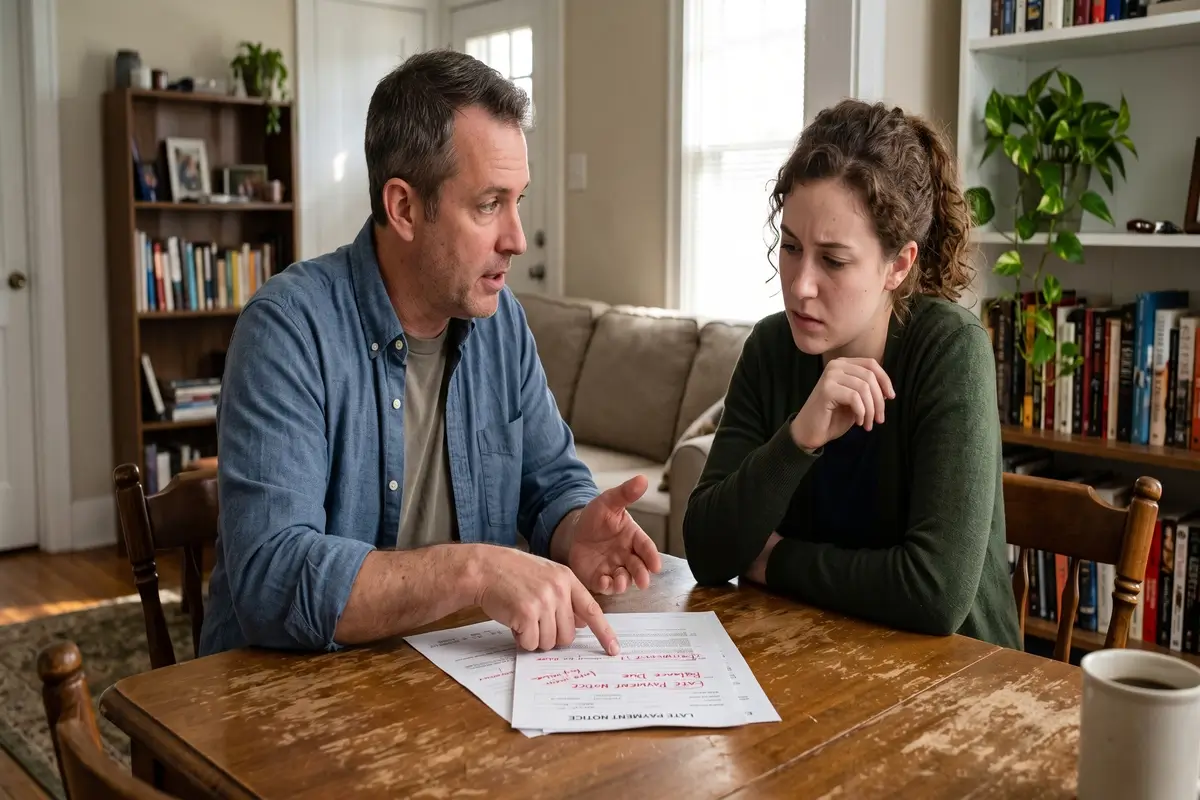
A missed rent payment is easy to excuse the first time. Owners give tenants the benefit of the doubt, then again after a second missed date, and months of unpaid rent can pile up before anyone documents what happened.
Ohio has specific procedural steps landlords must follow to remove a tenant, and gaps in early documentation can delay a case considerably. National data backs up how often this pattern plays out. Stateline's tracking of eviction filings found landlords filed 1.23 million eviction cases in 2025, and many of those disputes started with a payment issue nobody addressed early.
A structured response holds up better than a case-by-case judgment call.
- Send written notice as soon as a due date passes, rather than a verbal reminder.
- Log every missed payment, partial payment, and promise to pay with a date attached.
- Apply the same notice timeline to every tenant, without exceptions.
- Move to formal legal notice once a set threshold, like two missed payments, has been reached.
2. Lease Violations That Seem Too Minor to Mention
An unauthorized pet, an extra occupant, a parking violation that keeps happening. Each one feels small on its own, but every violation left unaddressed makes the next one easier for a tenant to justify.
- Unregistered pets that quietly become permanent.
- Guests who move in without ever being added to the lease.
- Repeated noise or parking complaints from neighbors.
- Property changes made without asking first.
A structured eviction protection plan gives owners a consistent way to respond to violations, applied the same way regardless of how the week has gone with a particular tenant.
3. Maintenance Requests That Sit for Weeks
A repair that waits rarely stays a small problem. What starts as an easy fix often turns into something structural once it's been ignored long enough.
| Issue Reported | What Happens When It Sits |
|---|---|
| Water stain on ceiling | Drywall softens, mold spreads underneath |
| Weak air conditioning in early summer | Unit fails during a heat wave, becomes an emergency |
| Running toilet or dripping faucet | Utility bills climb, flooring or cabinetry warps |
Owners looking for more guidance on staying ahead of repairs can review PMI Cuyahoga Valley RAL's take on reliable eviction services worth the investment for landlords managing repairs on their own.
4. Screening Shortcuts Taken Before Move-In
Many of the problems owners deal with later actually trace back to decisions made before a tenant ever moved in. A rushed application review can put a difficult tenant in a unit, and that difficulty tends to surface gradually, often months into the lease when it's much harder to address.
A thorough screening process that verifies income, rental history, and background details reduces the odds of placing a tenant who generates repeated issues. The Lessen 2025 Repair and Maintenance Benchmark Report, which reviewed more than 680,000 work orders across the industry, found that general maintenance requests took a median of 14.8 days to close, a delay that can trace back to a tenant relationship that started on shaky ground.
This matters even more for safety, which is why reviewing why a criminal background check matters helps protect both the property and other residents from issues that could have been caught earlier.
5. Managing a Property Without Consistent Tracking
Owners handling a rental on their own often don't notice a problem until it's already serious, mostly because there's no consistent record of what's happening.
- Payment records scattered across notebooks or text threads.
- Maintenance requests taken by phone with nothing written down.
- Lease violations noticed but never logged anywhere.
- Communication split across calls, texts, and emails with no single record.
PMI Cuyahoga Valley RAL keeps continuous records of payments, maintenance requests, and lease compliance for the owners we work with, closing the gap a complimentary property evaluation often reveals for self-managing landlords. A quick look at our ownership support options shows how that tracking works day to day.
FAQs about Tenant Issue Escalation in Akron, OH
How do I know when a tenant issue has crossed from minor to serious?
Look for patterns rather than single incidents. One late payment or one small complaint is normal, but repeated late payments, ignored notices, or recurring lease violations signal a situation that needs a documented response.
Can a tenant dispute a violation if I never wrote anything down?
Yes, undocumented violations are much harder to enforce later. Courts and mediators typically expect a paper trail showing dates, communication, and any warnings given, so verbal-only records leave owners in a weaker position.
What's a reasonable amount of time to give a tenant to fix a lease violation?
It depends on the violation, but most leases specify a cure period, often 7 to 14 days. Following that window consistently protects you if the issue continues and you need to escalate further.
Should I inspect a property differently if I've had ongoing tenant issues?
Yes, more frequent walkthroughs make sense when problems have already surfaced. Regular inspections help catch unauthorized changes, unreported damage, or additional occupants before they become harder to address later.
Does hiring a property manager reduce how often these issues come up in the first place?
It often does, since consistent screening, documentation, and communication catch problems earlier. Professional oversight also removes the hesitation many self-managing owners feel about enforcing lease terms with tenants they know personally.
What Akron Owners Gain From Consistent Oversight
Every property runs into a version of these situations eventually: a tenant who tests a boundary, a repair that gets postponed, a lease term nobody enforced. What separates a manageable year from a costly one usually comes down to how quickly someone notices.
PMI Cuyahoga Valley RAL brings that kind of attention to every property we manage, from the first screening call to the last renewal notice. Start the conversation with us and find out what a more hands-on approach could look like for your rental.
